The Geological Survey of Pakistan (GSP) has identified significant lead-zinc (Pb-Zn) deposits in the Lasbela-Khuzdar region of Balochistan Province. These deposits are stratabound, meaning they occur within specific sedimentary rock layers, particularly in the carbonate rocks of the Windar Group and Shirinab Formation.
Key Deposits
Gunga Deposit
Surmai Deposit
Duddar Deposit
These deposits have been partially explored, with preliminary estimates suggesting over 10 million tons of lead-zinc ore reserves in the region.
Geological Setting
Host Rocks: Carbonate rocks (limestone/dolomite) of the Windar Group (Jurassic-Cretaceous age) and Shirinab Formation.
Mineralization Type: Sedimentary Exhalative (SEDEX) or Mississippi Valley-Type (MVT) deposits, formed by hydrothermal fluids depositing metals in carbonate rocks.
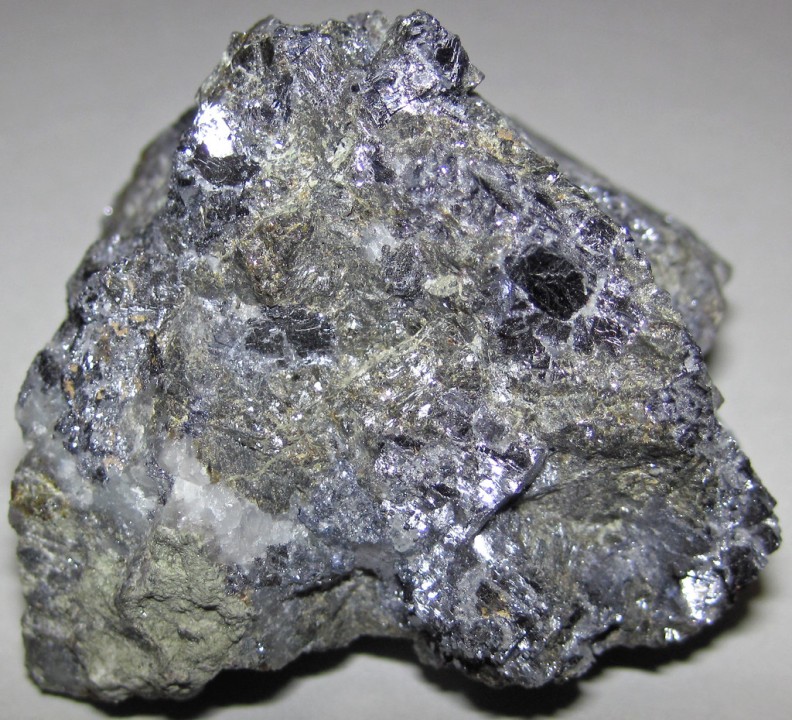
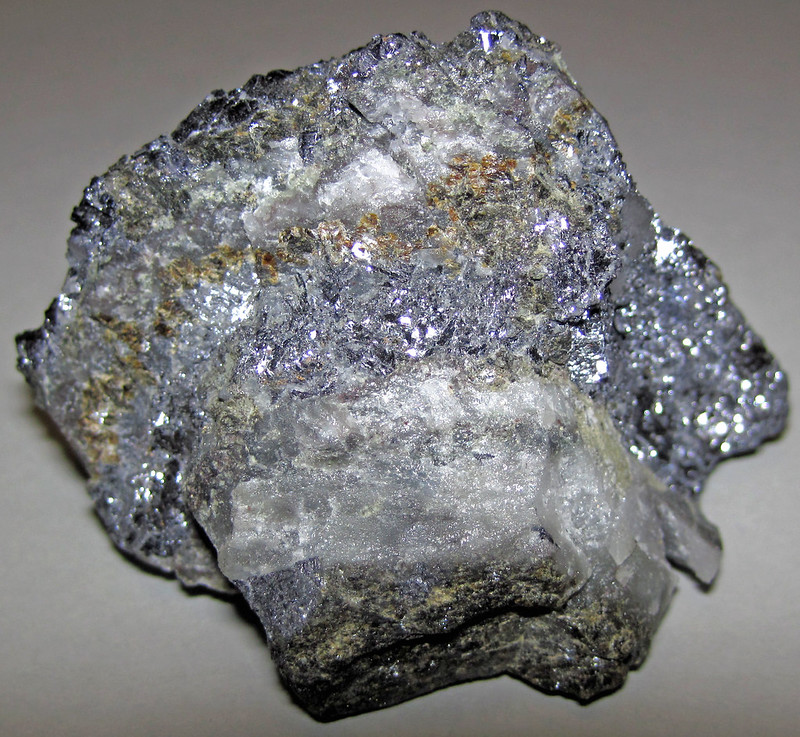
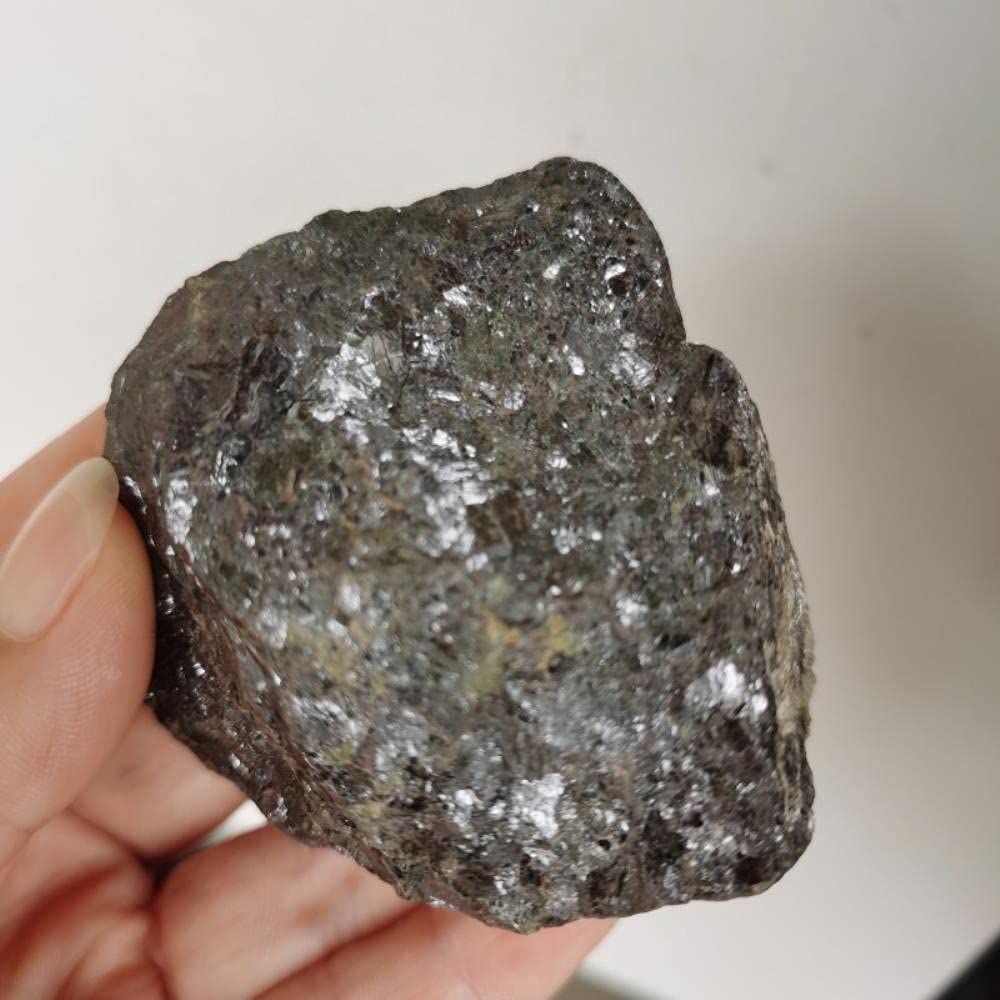
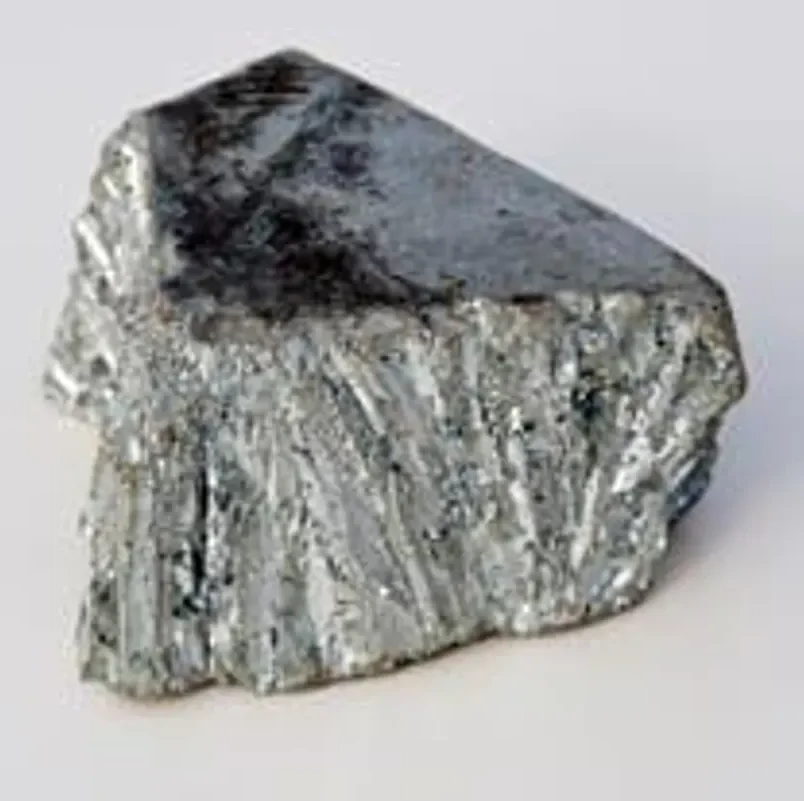
Associated Minerals: May include galena (PbS), sphalerite (ZnS), pyrite (FeS₂), and minor silver (Ag).
Economic Potential
High-Grade Zones: Some zones may contain 5-10% combined lead-zinc, with potential for silver byproducts.
Mining Feasibility: Requires further drilling, metallurgical testing, and infrastructure development.
Global Demand: Lead is used in batteries (75% of demand), while zinc is essential for galvanization (50% of demand) and alloys.
Challenges & Opportunities
Exploration Needed: Detailed studies to confirm ore grades, tonnage, and extraction methods.
Investment Potential: If developed, these deposits could reduce Pakistan’s reliance on imported lead and zinc.